
Services

Book Appointment
Occupational Lung Diseases
Occupational Lung Diseases are a group of lung disorders caused or worsened by exposure to harmful substances in the workplace. These exposures can lead to inflammation, fibrosis, or allergic reactions in the lungs. The onset may be acute or chronic, depending on the type, duration, and intensity of exposure.
These diseases are preventable, but if not diagnosed and managed early, they can lead to permanent lung damage, disability, or death.
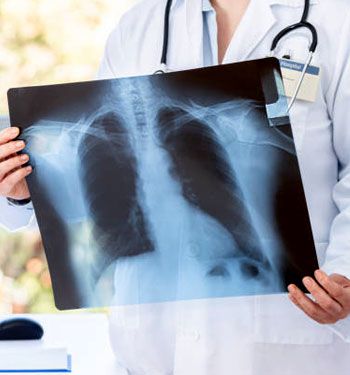
Common Types
1. Pneumoconioses (due to inhalation of inorganic dust)- Silicosis – from silica dust (mining, sandblasting)
- Asbestosis – from asbestos fibers (construction, insulation)
- Coal Workers’ Pneumoconiosis (CWP) – "black lung" disease
- Berylliosis – from beryllium exposure (aerospace, electronics)
- Caused by repeated inhalation of organic antigens
- Examples: "Farmer’s lung" (moldy hay), "Bird fancier’s lung"
- Triggered by exposure to irritants or allergens (e.g., flour, latex, animal dander, isocyanates)
- Long-term exposure to dust, smoke, or chemical fumes
- Due to exposure to carcinogens like asbestos, arsenic, silica, or diesel exhaust
- From inhaling cotton, flax, or hemp dust (textile industry)
- Inhalation of toxic fumes (e.g., ammonia, chlorine, smoke from fire)
Symptoms
- Chronic cough (dry or productive)
- Shortness of breath, especially on exertion
- Wheezing
- Chest tightness or discomfort
- Fatigue
- Fever and chills (in acute HP)
- Weight loss (in chronic cases)
Risk Factors
- Duration and intensity of exposure
- Poor ventilation in the workplace
- Lack of protective gear (e.g., masks, respirators)
- Smoking (increases risk)
- Pre-existing lung conditions
Prevention
- Use of personal protective equipment (PPE) – masks, filters, etc.
- Engineering controls – ventilation, dust suppression
- Workplace safety regulations and regular monitoring
- Health education for workers
- Smoking cessation programs