
Services

Book Appointment
Bronchoscopy
Bronchoscopy is a diagnostic and therapeutic procedure that allows doctors to visualize the inside of the airways and lungs using a device called a bronchoscope. The bronchoscope is a thin, flexible or rigid tube equipped with a camera and light, inserted through the nose or mouth into the trachea and bronchi.
It is commonly performed by pulmonologists to investigate symptoms like chronic cough, hemoptysis (coughing up blood), abnormal chest X-ray/CT findings, or to retrieve samples from the lungs.
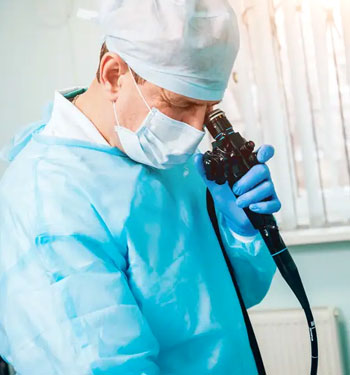
Types of Bronchoscopy
1. Flexible Bronchoscopy- Most common
- Performed under local anesthesia and light sedation
- Thin, flexible scope reaches deep into the lungs
- Done under general anesthesia
- Useful for removing large foreign bodies, controlling bleeding, or performing complex interventions
Indications
Diagnostic Purposes- Persistent cough or unexplained lung symptoms
- Abnormal imaging (e.g., mass, consolidation, lymphadenopathy)
- Hemoptysis
- Suspected infections (e.g., TB, fungal, PCP)
- Suspected malignancy (lung cancer)
- Interstitial lung disease (via transbronchial biopsy)
- Foreign body aspiration
- Removal of foreign body
- Mucus plug clearance
- Management of bleeding
- Laser or cryotherapy of tumors
- Stent placement in airway obstruction